Skip to content

Table of Contents
Why Homemade Dog Food Feels Complicated and Why It Doesn’t Have to Be
Most dog owners don’t avoid homemade food because they don’t care. They avoid it because they’re afraid of getting it wrong. I’ve seen the same concerns repeatedly: nutrient gaps, portion confusion, and uncertainty around what dogs actually need to thrive. The truth is, balanced homemade dog food doesn’t require a veterinary degree or endless calculations. It requires understanding a few core principles and applying them consistently. In this guide, I break down dog nutrition into simple, practical ratios and explain how to prepare balanced meals confidently, safely, and efficiently without overcomplicating the process.
What Dogs Actually Need in Their Diet
When I first started digging into dog nutrition, I thought it was way simpler than it actually is. I figured if the food had meat on the label and didn’t look sketchy, I was good. Turns out, that mindset caused a few issues that could’ve been avoided with a little more understanding and a lot less marketing hype.
What I learned over time is that dogs don’t just need “food”; they need the right balance of macronutrients. Protein, fats, and carbohydrates all play very different roles, and when one is off, it shows up fast in things like energy levels, coat quality, digestion, and even behavior. I learned most of this the hard way, after dealing with low energy and some stomach problems that were definitely diet-related.
Protein requirements
Protein was the first thing I misunderstood, mostly because I thought more was always better. I once switched to a super high-protein dog food, thinking it would boost muscle and energy, but it ended up causing digestive issues. What I learned is that protein quality matters more than raw percentage.
Dogs generally do best when protein makes up about 18–25% for adults and closer to 22–28% for active or working dogs. Animal-based proteins like chicken, beef, turkey, eggs, and fish are more bioavailable, meaning they’re easier to digest and are more readily used by the body. Plant proteins were included in some foods I tried, but they didn’t seem to deliver the same results.
I also learned to watch amino acids, even though most labels don’t make it easy. Lysine and methionine are especially important for muscle maintenance and immune support, and when they’re lacking, it shows. The lesson here was simple: moderate protein, high-quality sources, and fewer fillers.
Fats and essential fatty acids
Fats were the part I was weirdly scared of at first, probably because humans are told to fear fat all the time. That mindset doesn’t work for dogs. Once fats were increased to healthy levels, energy improved, and coats became noticeably shinier.
Healthy dog diets usually sit around 10–15% fat, though very active dogs can handle more. What really mattered wasn’t just the amount, but the type. Omega-3 and omega-6 fatty acids made a massive difference, especially for skin health and joint support.
Fish oil, salmon, flaxseed, and chicken fat were game changers. I noticed less itching and better mobility after consistent intake, even though results took a few weeks. Some trial and error was involved, and yes, a few greasy stools happened along the way.
Carbohydrates and fiber
Carbs get a bad reputation, and I bought into that for a while. I tried grain-free everything, thinking carbs were useless for dogs. What I learned is that carbs aren’t evil; they’re just often overused and poorly chosen.
Dogs don’t need carbs the way humans do, but complex carbohydrates provide steady energy and help with digestion. Ingredients like sweet potatoes, oats, brown rice, and pumpkin worked way better than corn or wheat. Fiber, in particular, was something I underestimated.
A fiber range of about 3–5% helped regulate digestion and firm things up, if you know what I mean. Too little fiber caused issues, and too much caused different issues, so balance was key. That sweet spot took time to find, and a few mistakes were made along the way.
In the end, dog nutrition stopped feeling overwhelming once I focused on balance instead of trends. Real protein, healthy fats, and sensible carbs made all the difference. Once those were dialed in, everything else just worked better.
Safe Ingredients for Homemade Dog Food
When I first started making homemade dog food, I thought I could toss together whatever looked healthy from my own kitchen. That assumption was not the best idea. A few digestive issues popped up, and it became apparent quickly that “healthy for humans” doesn’t always mean safe or effective for dogs.
Homemade dog food can be an awesome option, but only when ingredients are chosen carefully. I learned that dogs need consistency, simplicity, and ingredients that support digestion instead of stressing it out. Once I stopped experimenting like a mad scientist and started sticking to proven, dog-safe foods, things got a whole lot smoother.
Approved proteins
Protein was the easiest place to start, but I still messed it up at first. I once used heavily seasoned leftover meat, thinking I was being efficient. Big mistake. Dogs don’t handle salt, garlic, or onions the way we do, and that lesson was learned quickly.
Plain, unseasoned proteins work best. Chicken, turkey, lean beef, pork, and fish like salmon or whitefish have all been reliable options. Eggs also earned a permanent spot in rotation because they’re packed with amino acids and easy to digest when fully cooked.
I learned to cook everything thoroughly to avoid bacteria like Salmonella, even though some people swear by raw feeding. That wasn’t a risk I wanted to take. Protein portions usually landed around 40–50% of the meal, which seemed to support muscle maintenance without overwhelming digestion.
Dog-safe vegetables and fruits
Vegetables were tricky at first because I assumed raw was better. Turns out, lightly cooked veggies are way easier for dogs to digest. Steaming became my go-to move, and digestion improved almost immediately.
Carrots, green beans, zucchini, spinach, and broccoli worked well when served in small portions. Pumpkin was a lifesaver for digestion, especially during transition phases. As for fruits, blueberries and apples (no seeds) were solid choices, mainly used as small additions rather than main ingredients.
I avoided grapes, raisins, onions, garlic, and anything citrus-heavy. Those are all toxic to dogs. Roughly 20 to 30% of the meal came from vegetables and fruits combined, and that balance kept stools consistent and energy steady.
Carbs that support digestion
Carbohydrates were the category I overthought the most. I tried skipping them entirely, then went too heavy on them, and both approaches caused problems. What finally worked was choosing slow-digesting carbs and keeping portions reasonable.
Brown rice, white rice, oats, quinoa, and sweet potatoes became staples. These carbs provided steady energy without causing spikes or crashes. Sweet potatoes, in particular, helped firm up digestion thanks to their natural fiber content.
Carbs usually make up about 20–30% of the meal. Anything higher caused weight gain, and anything lower led to low energy. That balance took time to dial in, and yes, a few frustrating batches were wasted along the way.
Homemade dog food isn’t about perfection; it’s about consistency and safety. Once I focused on approved proteins, dog-safe produce, and digestible carbs, meals became easier to prep and way more effective. The dogs noticed too, even if they never said thanks.
Ingredients You Should Never Use
This part of homemade dog food hit me with the most “oh wow, I really could’ve messed that up” moments. I used to assume that if something was sitting in my kitchen and I ate it regularly, it couldn’t be that bad. That assumption almost caused real problems, and I’m glad I caught it early.
The truth is, some ingredients are flat-out dangerous for dogs, even in small amounts. Others aren’t technically toxic but can quietly cause long-term issues. I learned that avoiding certain foods mattered just as much as choosing the right ones, and once those were cut out completely, things improved across the board.
Toxic foods
Chocolate is the obvious one, and thankfully, I never tested that boundary. What surprised me were the less obvious toxic foods that sneak into recipes without people realizing it. Grapes and raisins top that list, and even tiny amounts can cause kidney failure.
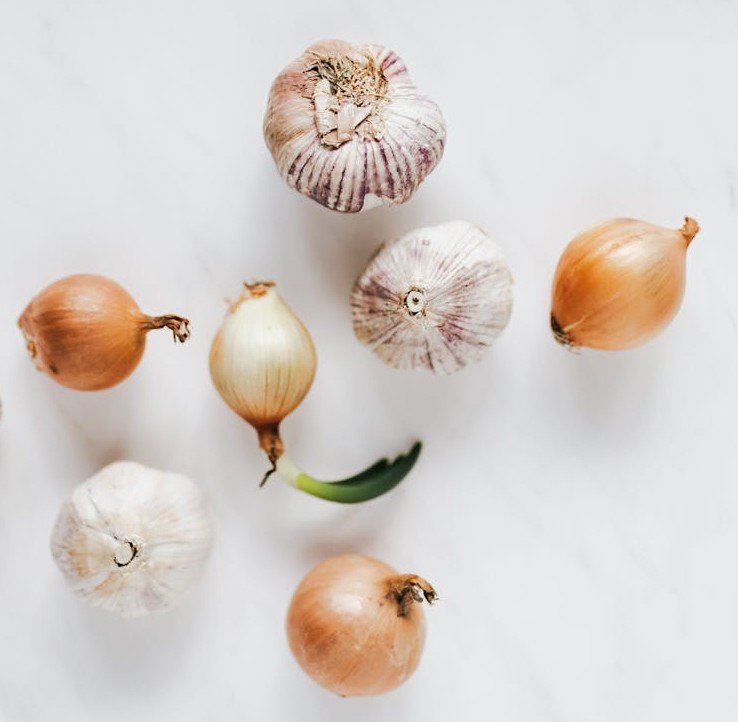
Onions and garlic were another shock. They’re in everything, especially broths and leftovers, and I used to think a little wouldn’t hurt. It can. These foods damage red blood cells and can cause anemia over time, even if symptoms don’t show up right away.
Xylitol was the scariest discovery. It’s in sugar-free peanut butter, gum, and baked goods, and it can cause rapid blood sugar crashes and liver failure. That ingredient is a hard no, always. Avocado, macadamia nuts, and alcohol also live on the permanent “never again” list.
High-risk seasonings
Seasonings were where I almost slipped up the most because they feel so harmless. Salt, for example, builds up fast and can cause dehydration or sodium poisoning. I used to lightly season meat out of habit, and it took a while to unlearn that reflex.
Garlic powder and onion powder are even worse than the fresh versions because they’re concentrated. Many spice blends contain them, even when you don’t expect them. That’s why I stopped using store-bought marinades entirely.
Spices like chili powder, cayenne, and paprika can irritate the digestive tract. Black pepper caused sneezing and stomach upset when I experimented once. Now everything stays plain, boring, and safe, even if it smells bland to me.
Problematic fats
Fats deserve special mention because this is where good intentions go wrong. I once thought adding bacon grease would boost flavor and calories. It did, but it also caused digestive upset and was followed by a very expensive vet visit.
High-fat scraps, fried foods, and fatty cuts of meat increase the risk of pancreatitis. That condition comes on fast and hits hard. Butter, margarine, and cooking oils also cause loose stools when used too freely.
Rendered fats were especially problematic. Drippings from cooked meats seem harmless, but can overwhelm the digestive system. I learned to stick with controlled amounts of healthy fats like fish oil or small portions of chicken fat instead.
Avoiding these ingredients made homemade meals safer and way less stressful. Once those risky foods were gone, everything else felt easier to manage. Sometimes the smartest move isn’t adding something new, it’s knowing what to leave out.
Portion Sizes by Dog Size and Life Stage
Portion sizes were where I messed up the most, no contest. I used to eyeball meals and call it good, figuring I would “adjust if needed.” That worked about as well as you’d expect. Weight crept up, energy dipped, and I realized pretty fast that homemade dog food doesn’t forgive sloppy portioning.
What finally clicked was that dogs don’t just eat based on hunger. They eat what you put in front of them. Size, age, metabolism, and activity level all matter, and once I started treating portions as a system rather than a guess, everything got easier.
Puppies vs adults vs aeniors
Puppies are in a league of their own. I didn’t fully appreciate how much energy they burn until I underfed one and saw ribs way sooner than expected. Puppies generally need about 2–3 times the calories per pound of body weight compared to adult dogs because they’re growing nonstop.
For puppies, meals were split into three or four servings a day, with protein and fat slightly higher to support muscle and brain development. Calcium and phosphorus balance mattered too, and I learned not to wing that part. Growth happens fast, and mistakes show up even faster.
Adult dogs were simpler once growth stopped. Most adult dogs do well on about 2–3% of their body weight per day in food. A 40-pound dog usually lands around 800–1,000 calories daily, depending on metabolism. Seniors needed fewer calories but more attention to nutrient density.
For senior dogs, portions were reduced by about 10–20%, while protein intake remains consistent to prevent muscle loss. Digestion slowed, joints got stiffer, and weight gain happened easily if portions weren’t adjusted. Smaller meals twice a day worked better than one large serving.
Active vs sedentary dogs
Activity level changed everything. I once fed the same portion to two dogs of similar size, not accounting for the fact that one barely moved and the other acted like a professional athlete. That didn’t end well.
Active dogs burn through calories fast. Hiking, agility training, farm work, or even daily long runs required larger portions, sometimes 20–40% more than average. Fat intake was increased slightly for sustained energy, and carbs were timed around activity.
Sedentary dogs, on the other hand, needed tighter control. Too many calories led to weight gain that crept up slowly and quietly. For less active dogs, I reduced portions first before cutting nutrients, keeping protein high while trimming carbs and fats.
One trick that helped was monthly weigh-ins and weekly body condition checks. If ribs were hard to feel, portions were adjusted. If energy dropped, calories went up. It wasn’t complicated; it was just consistent.
Portioning isn’t about perfection. It’s about paying attention and being willing to adjust. Once I stopped guessing and started measuring, feeding became less stressful and way more effective.

How an All-in-One Cooker Ensures Nutritional Consistency
I didn’t start using an all-in-one dog food cooker because I wanted fancy gear. I started using one because I was tired of guessing. Early on, every batch of homemade food felt a little different, even when I swore I followed the same recipe. One week, the dog’s energy was great; the next week, their digestion was off, and I couldn’t figure out why.
What finally clicked was consistency. Dogs thrive on routine, and my cooking process was anything but consistent. Once I switched to an all-in-one cooker, a lot of those little, invisible problems disappeared. Not magically, but predictably, which honestly felt even better.
Even cooking
Before the cooker, I was juggling pots, pans, and timing. Some ingredients were overcooked while others were barely done. That uneven cooking mattered more than I realized. Undercooked starches caused digestive upset, while overcooked proteins lost moisture and texture.
With an all-in-one cooker, heat was distributed evenly every time. Proteins reached safe internal temperatures without drying out, and vegetables softened just enough to be digestible. I noticed fewer stomach issues once everything was cooked at the same rate.
Even cooking also helped preserve nutrients. When food isn’t scorched or boiled into oblivion, vitamins and minerals stick around. That alone made the switch worth it.
Batch accuracy
Batch accuracy was the biggest stress reliever. I used to eyeball ingredient amounts, then wonder why stools looked different from week to week. Turns out, small measurement errors add up fast.
The cooker forced me to measure everything. Protein, carbs, vegetables, and water all went in at consistent weights or volumes. Once that habit formed, calorie counts stayed stable, and portion sizes became easier to calculate.
When each batch contained the same ratios, feeding felt more controlled. There was no second-guessing, and that peace of mind mattered more than I expected.
Repeatable results
Repeatable results were the real win. When digestion improved, I could trace it back to the recipe instead of wondering if the cooking process messed something up. When energy dipped, adjustments were made confidently because everything else stayed the same.
Consistency also saved time. Recipes didn’t need to be tweaked every week. The cooker ran on a set cycle, and the food came out with the same texture and moisture level every time.
Homemade dog food only works when nutrition stays consistent. An all-in-one cooker didn’t just simplify cooking; it made results predictable. And once the results were predictable, feeding stopped feeling like an experiment and became reliable. Your dog will thank you, too.
Confidence in Every Bowl
Balanced homemade dog food isn’t about chasing perfection; it’s about reliably meeting your dog’s nutritional needs, meal after meal. When you understand the fundamentals and remove variability from cooking and portioning, homemade feeding becomes predictable and stress-free. With a structured approach and consistent preparation, you can deliver complete, nourishing meals without second-guessing every ingredient. Once balance becomes routine, confidence naturally follows.
Key Takeaways for Ultimate Guide to Making Balanced Homemade Dog Food
- Balanced homemade dog food is not complicated when built around simple, repeatable nutritional principles.
- Dogs require consistent ratios of protein, fat, carbohydrates, fiber, vitamins, and minerals to maintain long-term health.
- Protein quality matters more than quantity, with optimal levels typically between 18–25% for adult dogs and 22–28% for active dogs.
- High-quality animal proteins such as chicken, turkey, beef, fish, and eggs provide the most bioavailable amino acids.
- Healthy fats should make up 10–15% of the diet, supplying energy, skin health, and joint support.
- Omega-3 and omega-6 fatty acids from sources like fish oil and salmon significantly improve coat quality, inflammation control, and mobility.
- Carbohydrates are beneficial when chosen carefully and kept moderate:
- Best sources include sweet potatoes, oats, brown rice, quinoa, pumpkin
- Fiber levels of 3–5% support digestion and stool quality
- Safe homemade dog food ingredients include:
- Plain cooked meats
- Steamed vegetables (carrots, green beans, zucchini, spinach)
- Small amounts of fruits (blueberries, apples without seeds)
- Digestible complex carbohydrates
- Ingredients that must never be used:
- Chocolate, grapes, raisins, onions, garlic, xylitol, alcohol, macadamia nuts, avocado
- Seasonings, salt, spice blends, marinades, and processed foods
- Fried foods and high-fat scraps that increase pancreatitis risk
- Proper portion sizing is essential:
- Puppies need 2–3× more calories per pound than adult dogs
- Adult dogs typically require 2–3% of body weight daily
- Senior dogs need 10–20% fewer calories while maintaining protein intake
- Activity level directly impacts calorie needs:
- Active dogs may require 20–40% more calories
- Sedentary dogs require reduced portions to prevent weight gain
- Measuring ingredients and portion sizes prevents nutritional imbalance and digestive issues.
- Homemade feeding works best when meals are prepared consistently in balanced ratios.
- All-in-one dog food cookers improve:
- Even cooking
- Nutrient retention
- Batch consistency
- Repeatable nutritional results
- Nutritional consistency reduces digestive upset, improves energy levels, and supports long-term health stability.
- Homemade feeding becomes predictable and stress-free when structure replaces guesswork.
Bottom Line:
Balanced homemade dog food succeeds when owners prioritize nutritional balance, ingredient safety, accurate portions, and consistent preparation. With the right system, homemade feeding becomes simple, reliable, and highly beneficial for long-term canine health.
FAQ Section
What does “balanced” homemade dog food mean?
Balanced dog food provides the correct ratio of protein, fat, carbohydrates, fiber, vitamins, and minerals needed to support overall health.
How much protein should homemade dog food contain?
Protein needs vary by size, age, and activity level, but most adult dogs thrive when protein makes up the largest portion of the meal.
Can I make balanced dog food without a veterinary nutritionist?
By following proven ratios, using safe ingredients, and maintaining consistency, most dog owners can prepare balanced meals without advanced training.
Are carbohydrates necessary in homemade dog food?
Carbohydrates are not strictly essential, but they provide digestible energy, fiber, and gut support when chosen carefully.
How does an all-in-one cooker help with nutritional consistency?
It standardizes cooking times, batch sizes, and ingredient integration, helping ensure each meal delivers the same nutritional profile.
Disclaimer: This blog post contains affiliate links