Skip to content
Table of Contents
Why So Many Dog Owners Are Rethinking What Goes in the Bowl
I used to assume that premium kibble was “good enough” as long as the label looked clean and the brand was reputable. Over time, I learned that most commercial dog food, no matter the price point, is built around convenience and shelf life rather than optimal nutrition. Once I started examining how kibble is processed and what gets stripped away during manufacturing, the health differences became impossible to ignore.
Homemade dog food offers real ingredient control, better digestion, and measurable improvements in energy and coat health, but only when it’s done correctly. In this guide, I break down why homemade food cis healthier than kibble and how to prepare it safely without turning your kitchen into a full-time operation.
What’s Really Inside Commercial Kibble
I remember the first time I actually flipped a bag of commercial kibble over and tried to read the ingredient list. I wasn’t even trying to be a health nut that day. I just ran out of food and grabbed whatever was closest, and something about the words on the back made me stop. It felt less like food and more like a chemistry worksheet, which honestly bothered me more than I expected.
Back then, I assumed kibble was just meat, veggies, and some vitamins mixed together and baked. That was my mistake, and yeah, I’ve made plenty of those. The deeper I dug, the more uncomfortable I got, mostly because this stuff had been trusted for years without much thought.
Ultra-processing explained
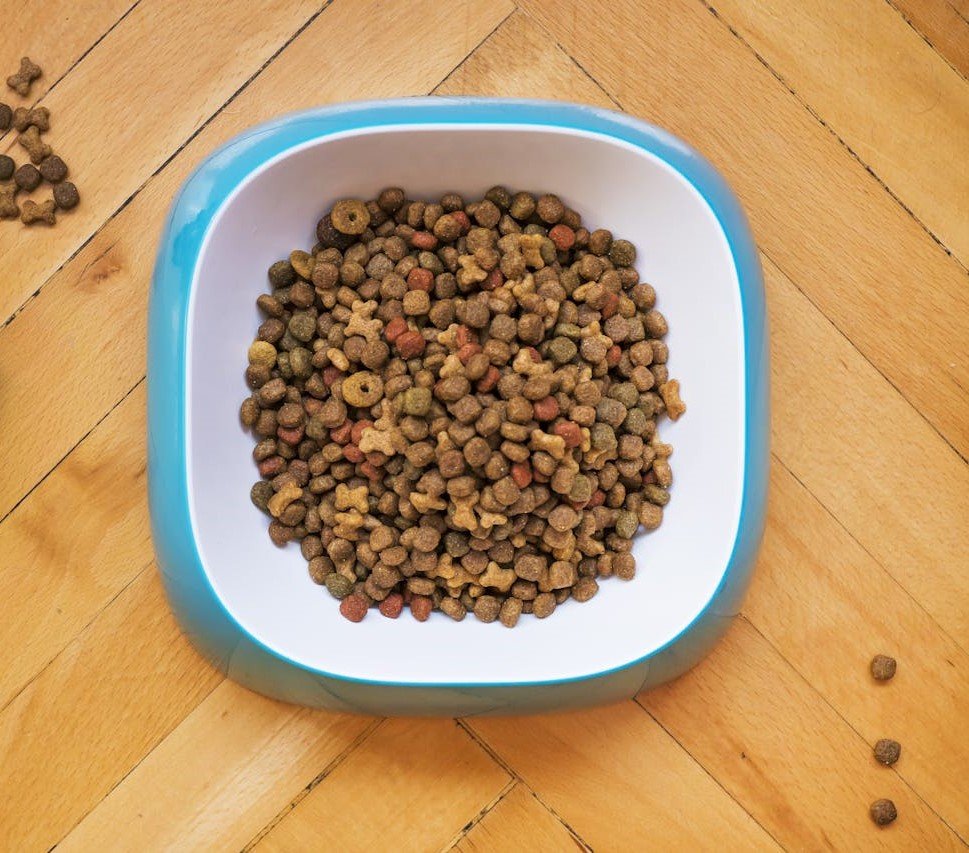
Ultra-processing was the first term that really hit me in the gut. Kibble isn’t gently cooked. It’s typically made using extrusion, which involves grinding ingredients into a slurry, blasting them with heat, pressure, and steam, and then shaping them into those familiar brown pellets. That process can hit temperatures over 300°F, which is wild when you think about it.
What frustrated me was realizing that ultra-processed foods don’t just lose nutrients, they’re structurally changed. Proteins get denatured, fats oxidize, and enzymes are wiped out. I learned the hard way that synthetic vitamins are added afterward because the original nutrients don’t survive the process. That should’ve been a bigger red flag than it was at the time.
Common fillers, by-products, and preservatives
This part annoyed me more than I’d like to admit. Fillers like corn, wheat middlings, soy, and rice hulls are common because they’re cheap and help bind the kibble. They also spike carbohydrates, which isn’t ideal nutritionally, even though it’s rarely talked about on the front of the bag.
By-products were another wake-up call. Now, I’m not against organ meats; they can be nutritious. But “by-product meal” is vague by design. It can include parts that wouldn’t typically be considered food-grade. That lack of transparency bugged me, and it still does.
Preservatives sealed it for me. BHA, BHT, and ethoxyquin are used to extend shelf life, sometimes for over a year. The food is designed to survive warehouses, not necessarily digestion. I remember feeling frustrated that freshness was marketed, while oxidation was quietly ignored.
How heat destroys nutrients
Heat damage was something I underestimated for a long time. Vitamins like A, E, and certain B vitamins are heat-sensitive. Amino acids like lysine can be damaged during extrusion, reducing protein quality even if the label shows high protein percentages.
What’s worse is that fats can go rancid after cooking if they’re sprayed on improperly. That stale smell you sometimes notice? Yeah, that’s oxidation. It’s subtle, but it matters over time.
Once I understood this, I stopped obsessing over guaranteed analysis numbers and started paying attention to ingredient quality and processing methods. That shift alone changed how I looked at pet nutrition entirely.
I’m not saying all kibble is evil. I still believe convenience has a place. But knowing what’s really inside commercial kibble helped me make better decisions, and honestly, it made me a lot more skeptical of glossy packaging and buzzwords. Sometimes the truth is uncomfortable, but it’s also empowering.
Health Benefits of Homemade Dog Food
I didn’t switch to homemade dog food because I wanted to be trendy or dramatic about it. It happened slowly, mostly out of frustration. After dealing with inconsistent digestion issues that never fully went away, I realized something wasn’t lining up. The food was being eaten, but it wasn’t really being used, if that makes sense.
Once I started preparing meals at home, things didn’t magically fix themselves overnight. I messed up portions, overcooked ingredients, and worried constantly about balance. But over time, the benefits became impossible to ignore, and that’s when it really clicked.
Improved digestion and stool quality
Digestion was the first thing I noticed, and yeah, it was impossible to miss. When fresh food is used, it’s easier on the digestive system because the ingredients are recognizable and less processed. Cooked meats, lightly steamed vegetables, and healthy fats digest differently than extruded kibble.
Stool quality improved within weeks. Smaller, firmer stools were produced, and frequency normalized. That told me nutrients were actually being absorbed instead of passing straight through. Fiber from real foods like pumpkin or carrots made a difference, too, not the powdered fiber blends you see on labels.
One mistake I made early on was adding too many new ingredients at once. That backfired. Slow transitions matter, even with homemade meals. I learned to introduce proteins one at a time and keep fat levels consistent to avoid digestive upset.
Skin, coat, and allergy improvements
Skin issues were another quiet win. Dull coats and flaky skin were things I used to accept as normal. Once fresh proteins and omega-3 fatty acids were added consistently, that changed. Within a couple of months, coats were noticeably shinier, and shedding decreased.
Food sensitivities became easier to manage, too. When you control the ingredients, you can eliminate common allergens like chicken, beef, or grains and see what actually causes reactions. That trial-and-error process wasn’t fun, but it was effective.
It was also obvious that artificial colors and preservatives weren’t missed at all. Less itching, fewer hot spots, and calmer skin told me all I needed to know. Sometimes improvement isn’t dramatic; it’s just peaceful.

Better energy and weight control
Energy levels were the part that surprised me most. Instead of short bursts followed by crashes, energy became steady throughout the day. That’s what happens when meals are balanced with real protein, healthy fats, and controlled carbohydrates.
Weight control got easier, too. Portion sizes could be adjusted precisely, and calorie density was more predictable. Lean proteins helped maintain muscle, while excess fillers were no longer inflating calorie counts.
I did have to learn that more food isn’t better food. Early on, portions were too big, and weight crept up. Once meals were measured and adjusted based on activity level, things balanced out.
Homemade dog food isn’t perfect, and it takes effort. But the health benefits felt real, not theoretical. Seeing digestion stabilize, skin calm down, and energy even out made the learning curve worth it. For me, that’s when homemade feeding stopped feeling like a project and started feeling like common sense.
The Risks of DIY Dog Food (And How to Avoid Them)
I’ll be honest, the first few weeks of making dog food at home made me nervous, not in a dramatic way, but in that quiet, nagging sense that I might be missing something important. DIY dog food sounds wholesome and responsible, but there are real risks if you go in blind. I found that out through a few mistakes that could’ve been avoided if I’d slowed down a bit.
Homemade feeding isn’t just tossing meat in a bowl and calling it nutrition. There’s a learning curve, and pretending otherwise is how problems sneak in.
Nutrient imbalance
This was my biggest screw-up early on. I focused so much on protein that I ignored minerals and micronutrients. Calcium, phosphorus, zinc, iodine, and certain B vitamins can’t be guessed at. Over time, imbalances can affect bones, joints, and metabolism, even if everything looks fine on the surface.
One thing I learned is that muscle meat alone isn’t a complete diet. Calcium deficiency is especially common when bones or calcium sources aren’t included. I started using measured calcium supplements and rotating ingredients instead of sticking to the same recipe every week.
What helped most was following properly formulated recipes, not social media trends. A simple spreadsheet was used to track ingredients and ratios, which sounds boring but saved me a lot of stress later.
Undercooked proteins
I used to think slightly undercooked meat was no big deal. That assumption was wrong. Raw or undercooked proteins can carry bacteria like Salmonella and Campylobacter, which don’t always cause immediate symptoms but can build into real problems.
Cooking proteins to safe internal temperatures matters. Poultry should reach 165°F, ground meats around 160°F, and whole cuts at least 145°F with rest time. Once I started using a thermometer instead of guessing, that anxiety faded.
Overcooking was another issue. Dry, overcooked meat loses moisture and nutrients. Light cooking, not charring, became the goal. It’s a balance, and it takes practice.
Unsafe ingredients
This one still catches people off guard. Some foods that are safe for humans are unsafe for dogs. Onions, garlic, grapes, raisins, macadamia nuts, and xylitol are the obvious ones, but it goes deeper than that.
Too much liver can cause vitamin A toxicity. Certain oils can throw off fat balance. Even salt can sneak up on you if processed ingredients are added without thinking. I once assumed a small amount wouldn’t matter, and yeah, it mattered.
The fix was boring but effective: double-check everything. I kept a printed list of unsafe foods in the kitchen for a while. Eventually, it became second nature.
DIY dog food can be incredibly rewarding, but it isn’t foolproof. When mistakes are made, they tend to be quiet at first. The key is to respect the risks, learn from them, and build systems that prevent problems before they start. That’s when homemade feeding becomes safe, sustainable, and genuinely beneficial.
How to Make Homemade Dog Food Safely
When I first started making homemade dog food, safety wasn’t the thing I obsessed over. I was focused on ingredients, freshness, and doing “better” than kibble. That mindset almost tripped me up. It turns out, good intentions don’t mean much if food safety basics are skipped. I learned that lesson slowly, and with a few uncomfortable moments along the way.
Once I built a simple system and stuck to it, everything got easier. Not perfect, just safer and more consistent, which honestly matters more.
Ingredient selection
Choosing ingredients sounds simple until you realize how many options are quietly bad choices. I started with lean proteins like chicken, turkey, and beef, then added complex carbs like rice or sweet potatoes. Over time, I learned that variety matters, but randomness doesn’t.
Fresh, whole foods work best. Avoid pre-seasoned meats, processed scraps, or anything with added sodium. I once grabbed discounted meat without checking the label and didn’t notice the brine. That was a mistake I only made once.
Vegetables should be dog-safe and cooked for digestibility. Carrots, zucchini, green beans, and spinach worked well for me. I avoided onions, garlic, and anything from the “maybe” list. When in doubt, I left it out.
Cooking temperatures
This is where I used to guess, and guessing is not a strategy. Proteins need to be cooked to safe internal temperatures to reduce the risk of bacterial contamination. Poultry hits 165°F, ground meats 160°F, and whole cuts land safely at 145°F with rest time.
A food thermometer changed everything. It removed uncertainty and cut stress. Cooking was done gently, without frying or charring, to preserve nutrients and moisture.
Vegetables were lightly steamed, not boiled to mush. Overcooking destroys water-soluble vitamins, and undercooking can cause digestive upset. Finding that middle ground took trial and error, and yeah, a few failed batches.
c. Portion consistency
Portion control doesn’t sound exciting, but it’s where most DIY feeders go wrong. I used to eyeball meals, and weight slowly crept up. Consistency matters more than perfection.
Meals were weighed using a kitchen scale, not scooped. Protein, carbs, fats, and supplements were measured the same way every time. That routine made adjustments easier when activity levels changed.
Calories were tracked loosely, not obsessively. What mattered was stable energy and body condition. Once portions were dialed in, feeding stopped feeling chaotic.
Making homemade dog food safely isn’t about being paranoid. It’s about being intentional. When ingredients are chosen carefully, cooked properly, and portioned consistently, the risks drop fast. That’s when homemade feeding becomes less stressful and more sustainable, and frankly, a lot more enjoyable, too.
Why an All-in-One Dog Food Cooker Changes Everything
I didn’t buy an all-in-one dog food cooker because I thought it was revolutionary. I bought it because I was tired. Tired of juggling pots, checking timers, second-guessing temperatures, and cleaning up a kitchen that looked like I’d catered a small wedding. Homemade dog food was working, but the process was wearing me down.
That’s when I realized the problem wasn’t the food. It was the workflow. Once everything was simplified, the whole experience shifted.
Controlled cooking
Controlled cooking was the biggest change, hands down. Before the cooker, I was constantly worried about undercooking proteins or overcooking vegetables. Different ingredients needed different heat levels, and coordinating that manually was frustrating.
With an all-in-one cooker, temperatures are regulated automatically. Proteins are cooked evenly, moisture is retained, and nutrient loss is reduced. That guesswork disappears, which matters more than people think.
I remember the first batch, where everything came out evenly cooked without babysitting the stove. It felt like cheating, in a good way. The food was consistent, and consistency is everything with homemade diets.
One-pot preparation
One-pot preparation sounds like a small thing until you live it. Instead of cooking meat separately, steaming vegetables in another pot, and mixing everything later, it all happens in one place. Less handling means fewer chances for contamination.
Cleanup dropped by at least half. That alone kept me committed long-term. When feeding homemade food feels manageable, you’re more likely to stick with it.
It also made batch cooking easier. Larger quantities could be prepared, cooled, and portioned without stress. That efficiency mattered during busy weeks.
Reduced error and time investment
This is where the cooker really earns its keep. Fewer steps mean fewer mistakes. You measure out the ingredients, control the timing, and nothing gets forgotten on the stove. Early on, I ruined more than one batch by getting distracted.
Time investment shrank fast. What used to take several hours now takes less time, including cleanup. That’s a big deal if you’re trying to be consistent.
Most importantly, the cooker lowered the mental load. When systems are simple, habits stick. The food stayed safe, balanced, and repeatable, which is the holy grail for DIY feeding.
An all-in-one dog food cooker like ChefPaw didn’t change the idea behind homemade feeding. It changed my ability to keep doing it. When cooking becomes controlled, streamlined, and forgiving, everything else falls into place.
Fresh Food Done Right: A Smarter Way to Feed Your Dog
Homemade dog food isn’t about trends or perfection; it’s about control, consistency, and feeding your dog real nutrition instead of processed shortcuts. When meals are cooked properly, portioned accurately, and made with safe ingredients, the difference shows quickly in digestion, skin health, and overall vitality. The key is removing the guesswork and making the process repeatable. With the right approach and the right tools, feeding fresh doesn’t have to be complicated; it just has to be done right.
Key Takeaways for Why Homemade Dog Food Is Healthier Than Kibble
- Commercial kibble is ultra-processed, meaning high heat and pressure destroy natural nutrients, denature proteins, oxidize fats, and require synthetic vitamins to be added back after cooking.
- Common kibble ingredients include fillers, vague by-products, and preservatives designed for shelf life, not optimal digestion or long-term health.
- Homemade dog food supports better digestion, producing smaller, firmer stools and improved nutrient absorption when whole, lightly cooked ingredients are used.
- Skin, coat, and allergy symptoms often improve when artificial additives and common allergens are removed and fresh proteins and omega-3 fats are introduced.
- Energy levels and weight management stabilize when meals are built around real protein, controlled carbohydrates, and measurable portions.
- DIY dog food carries real risks if done incorrectly, including calcium deficiency, micronutrient imbalance, bacterial contamination, and exposure to unsafe foods.
- Safe homemade feeding requires structure, including:
- Balanced recipes with proper calcium and micronutrient support
- Proteins cooked to safe internal temperatures
- Dog-safe ingredients only
- Consistent portion sizing based on activity level
- All-in-one dog food cookers reduce mistakes by controlling temperature, simplifying preparation, improving consistency, and lowering time and cleanup barriers.
- The health benefits of fresh feeding are not theoretical—they show up in digestion, coat quality, energy consistency, and overall vitality when done correctly.
- The goal is not perfection, but repeatability: safe ingredients, proper cooking, balanced nutrition, and a system that’s easy to maintain.
FAQ Section
Is homemade dog food really healthier than kibble?
When properly balanced, homemade dog food provides fresher ingredients, fewer preservatives, and greater control over protein quality, which often results in better digestion, coat health, and energy levels than kibble.
What are the biggest problems with commercial kibble?
Most kibble is ultra-processed, relies on fillers or by-products, and uses high heat that destroys nutrients, which must then be artificially replaced.
How does an all-in-one dog food cooker improve safety?
It ensures even cooking, consistent batch results, and reduces human error, making homemade dog food safer and more repeatable.
Can homemade dog food be unsafe for dogs?
Homemade dog food can be unsafe if it’s unbalanced, undercooked, or includes toxic ingredients. Safety depends on proper cooking, correct portions, and consistent preparation.
Do dogs need supplements if they eat homemade food?
Some dogs may require supplements depending on the recipe and life stage, but many balanced homemade diets meet nutritional needs without excessive supplementation.
Disclaimer: This blog post contains affiliate links