
Table of Contents
Why Low Maintenance Dog Breeds Are Perfect for Today’s Busy Lifestyles
Finding the right dog breed can feel like a big decision, especially when life is already packed with work, family, and other responsibilities. But don’t worry! Some dog breeds are low-maintenance and require minimal grooming, exercise, or care compared to others. Whether you’re a first-time dog owner, have a busy schedule, or simply prefer an easygoing canine companion, this guide has you covered. Did you know that some breeds are so laid-back, they’re known as the “apartment dweller’s best friend”? Let’s dive into the best breeds for an effortless yet loving pet ownership experience.
What Defines a Low-Maintenance Dog Breed?
Characteristics of Low Maintenance Dogs: Minimal Grooming, Independent Temperament, Adaptability
When I first started researching low-maintenance dog breeds, I was drawn to the idea of a pet that wouldn’t require constant pampering or a full-blown schedule overhaul. Low-maintenance dogs are like those friends who are chill and don’t need you to text them every day to stay close. These breeds typically have minimal grooming needs, think short coats that don’t tangle or shed much. I learned this the hard way after briefly adopting a dog with a gorgeous but high-maintenance coat. Let’s just say, investing in a solid vacuum wasn’t optional.
Beyond grooming, independence is a major hallmark of these breeds. They’re the kind of dogs that don’t get clingy if you’re away for work during the day. That doesn’t mean they don’t like attention, but they’re happy to entertain themselves or nap while you’re out. And adaptability? That’s gold. Low-maintenance dogs can transition from a spacious backyard to a cozy apartment with minimal fuss. I saw this with a neighbor’s dog who moved across the country without skipping a beat.
Why Low Maintenance Doesn’t Mean “No Maintenance”
Here’s a reality check: “low maintenance” doesn’t mean you’re completely off the hook. Every dog, no matter how independent, still needs regular vet checkups, a healthy diet, and plenty of exercise. I once made the mistake of assuming that because my dog was low-energy, he wouldn’t need much physical stimulation. Spoiler: I was wrong. Turns out, even laid-back dogs can turn into little terrors if they don’t get enough mental stimulation.
There’s also the emotional care aspect. Dogs are social creatures; they thrive on companionship. Even a breed that’s known for being “independent” will need belly rubs, playtime, and that quiet moment where you just sit on the couch together. Skimping on these essentials isn’t fair to them, and it can lead to behavioral issues.
Perfect for Busy Owners, Seniors, and Families
If you’re juggling a packed schedule, have limited mobility, or are managing a household full of energetic kids, low-maintenance dogs are a blessing. My friend, who works full-time and has two kids, swears by her beagle’s ability to stay calm amid the chaos. These breeds offer companionship without the overwhelming demands of high-energy or high-maintenance dogs.
Seniors often find them to be ideal companions as well. My grandfather adopted a senior dog from a shelter, and the bond they share is incredible. The dog is low-energy and doesn’t need long walks, but he’s a comforting presence that fits perfectly into a slower-paced lifestyle.
Ultimately, while a low-maintenance dog can fit seamlessly into various lifestyles, it’s crucial to remember that every dog, no matter the breed, requires love, patience, and care. That’s what makes owning a dog so rewarding in the first place.
Top 10 Low Maintenance Dog Breeds
Each Breed with a Brief Description of Their Key Traits, Grooming Needs, and Exercise Requirements
Chihuahua: Compact, Low Exercise Needs, Loyal
Chihuahuas are perfect little companions. They’re incredibly loyal and thrive on snuggling up in your lap. Their small size means they don’t need a ton of exercise, but short walks or even some playtime indoors will do the trick. Grooming is a breeze with their short coat, though the long-haired variety requires a bit more brushing.
French Bulldog: Minimal Grooming, Loves Lounging
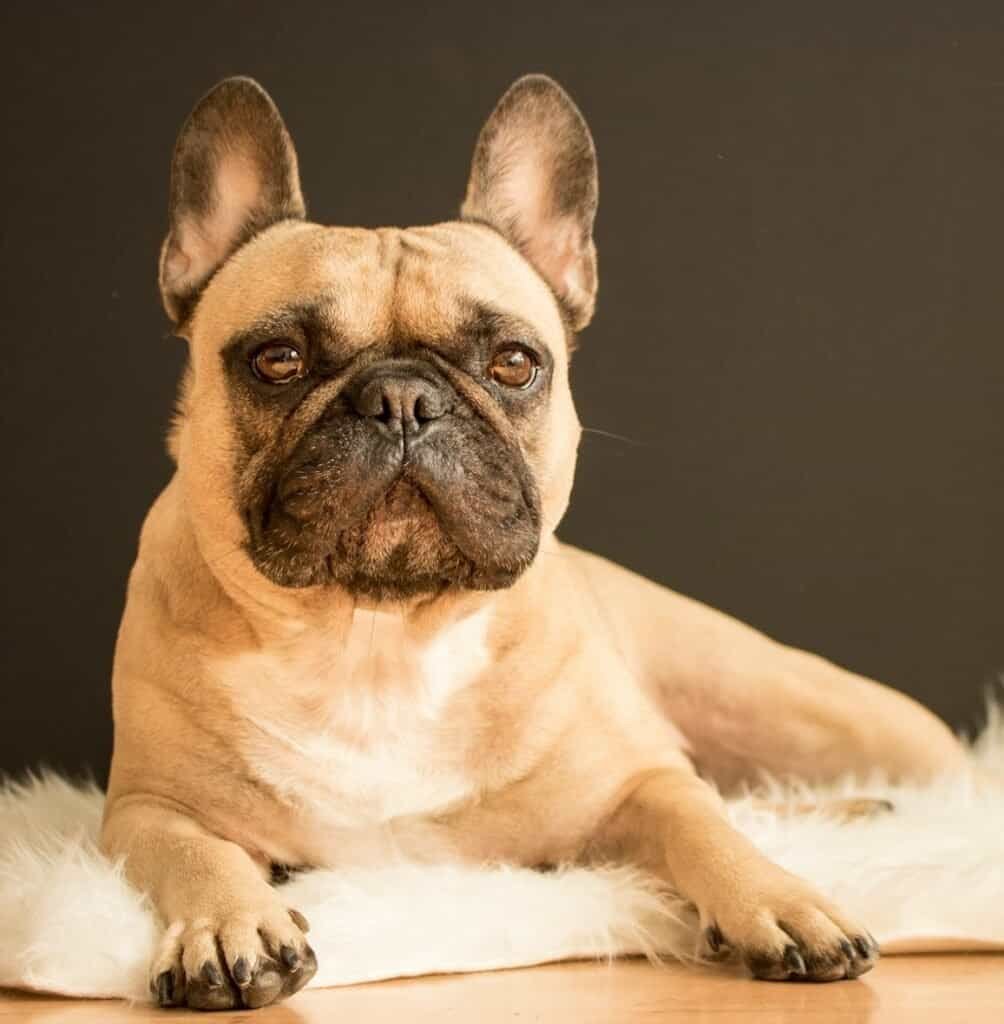
The French Bulldog is a couch potato’s dream. These pups are low-energy and love lounging around, but they’re always up for a quick stroll or some playtime. Their short coat is easy to maintain, though their adorable wrinkles need occasional cleaning to avoid irritation.
Pug: Low Energy, Easygoing Personality
Pugs are charmers with their squishy faces and fun-loving personalities. They don’t demand much in the exercise department; a brisk walk and some light play are plenty. Grooming is straightforward, but their short coat does shed, so weekly brushing helps keep things under control.

Dachshund: Low Grooming, Adaptable Indoors
Dachshunds, with their unique long bodies and playful personalities, make excellent companions. They adapt well to apartment living, and their exercise needs are modest; just a couple of short walks a day. Grooming depends on the coat type (smooth, long-haired, or wire-haired), but generally, they’re not too demanding in this department.
Shih Tzu: Low Exercise Needs, Hypoallergenic Coat
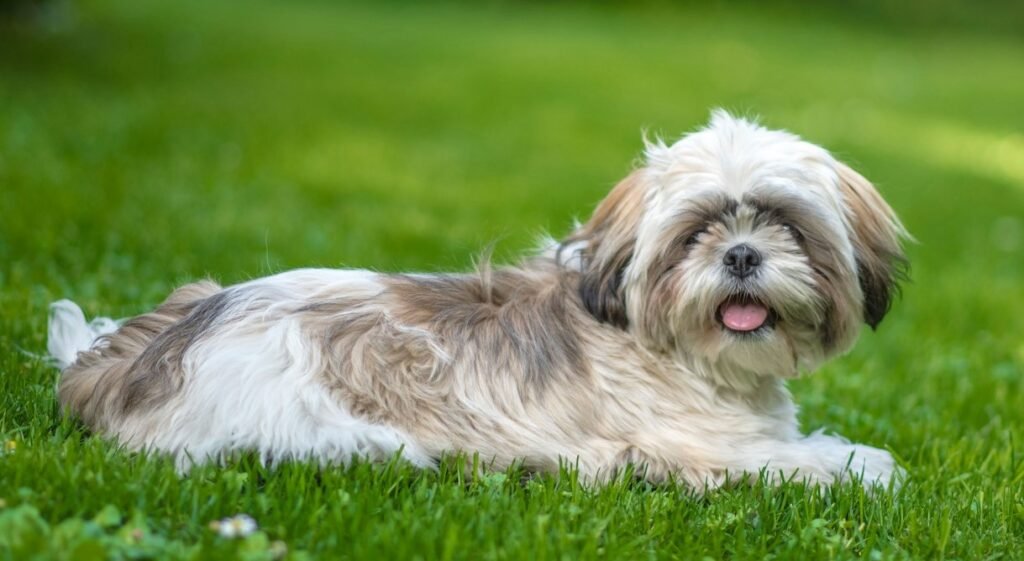
These little fluffballs are affectionate and ideal for someone seeking a hypoallergenic dog. While their exercise needs are minimal, their grooming does require regular attention due to their long, luxurious coat. A regular trim can make maintenance much easier.
Whippet: Calm Indoors, Enjoys Short Bursts of Exercise
Whippets are surprisingly calm and relaxed indoors. They don’t need much more than a quick daily sprint or play session to keep them happy. Their short coat requires little grooming, making them an easy addition to any household.
Boston Terrier: Friendly, Easy to Train, Minimal Shedding
Boston Terriers are the all-around easy dogs. They’re friendly, eager to please, and their training is straightforward. With minimal shedding and a low-maintenance coat, they’re ideal for anyone who wants a pet without a lot of fuss.

Greyhound: Gentle Giants with Minimal Exercise Needs
Greyhounds might surprise you; they’re often called “40-mile-per-hour couch potatoes.” Despite their racing heritage, they’re happy with a daily walk and lots of lounging. Their sleek coat requires little grooming, though they do appreciate a warm sweater in colder months.
Bichon Frise: Low Shedding, Cheerful Personality
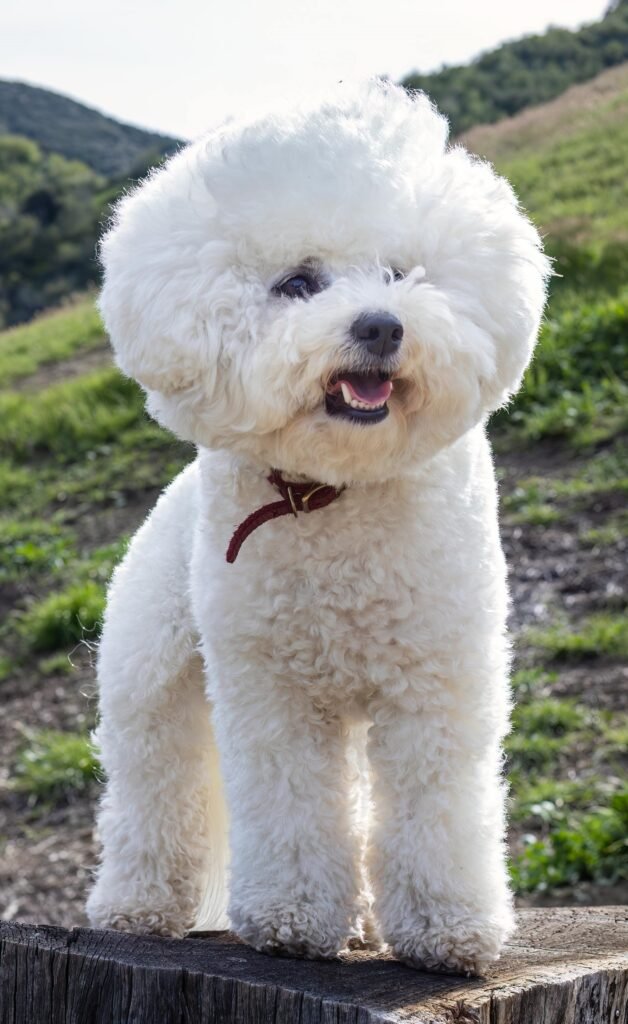
Bichons are happy, playful dogs that don’t shed much, making them a good choice for allergy sufferers. While their coat is fluffy and hypoallergenic, it does require regular brushing and occasional grooming to keep them looking sharp. They’re great for families and adapt well to various living situations.
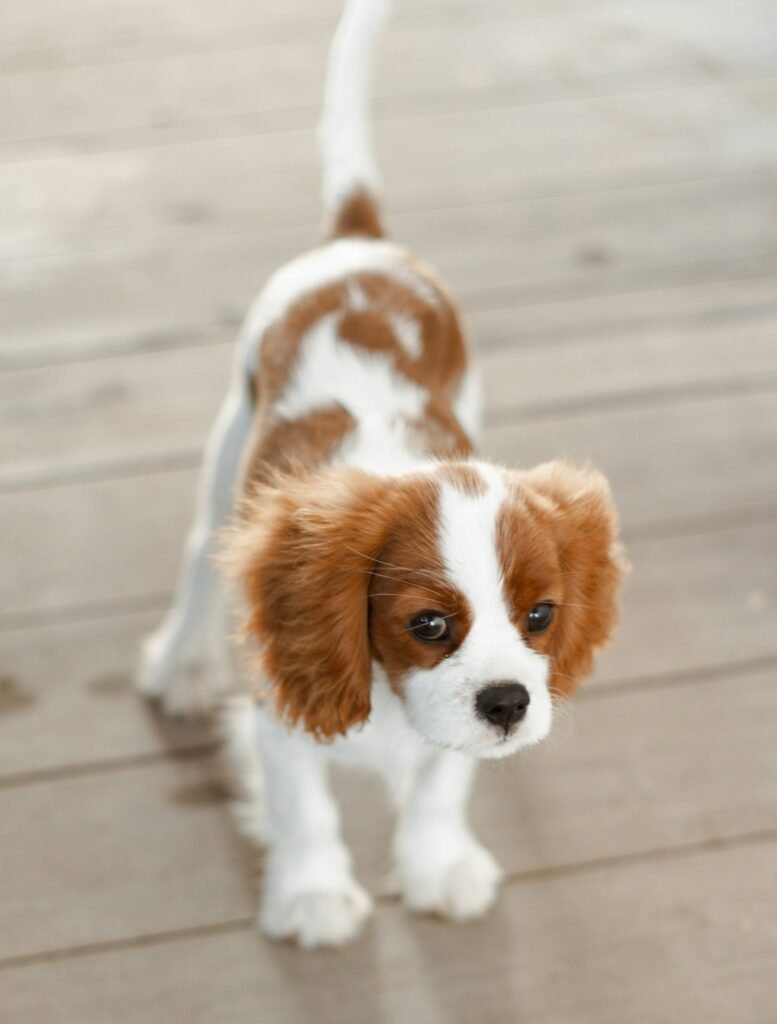
Cavalier King Charles Spaniel: Affectionate, Requires Moderate Care
Cavaliers are the epitome of a loving companion. They’re slightly higher maintenance than some other breeds on this list, with moderate grooming needs and a penchant for cuddling up to their humans. Their gentle nature and adaptability make them a favorite for families, seniors, and solo owners alike.
Pros and Cons of Low Maintenance Dog Breeds
Advantages: Easy to Care For, Suitable for Various Lifestyles
Low-maintenance dog breeds come with some big perks that make them appealing to many potential owners. For starters, they’re easier to care for, especially when it comes to grooming and exercise. Breeds like French Bulldogs or Whippets don’t require hours of brushing or marathon walks. I’ve had friends who adopted these breeds because they could integrate them into their lives without too much adjustment. One of them even joked that her dog matched her “Netflix and chill” lifestyle perfectly.
Another major advantage is how versatile these breeds are in fitting into various lifestyles. Whether you’re living in a small apartment in the city, have a bustling household with kids, or are enjoying a slower pace in retirement, these dogs adapt well. Their easygoing nature makes them great for first-time dog owners who might feel overwhelmed by more demanding breeds.
Challenges: May Still Need Training, Vet Care, and Attention
Here’s the thing about “low-maintenance”: it doesn’t mean “zero effort.” I learned this lesson when helping a neighbor train her new pug. Even though pugs are famously chill, her pup still needed consistent training to curb bad habits like chewing on furniture. Basic obedience training, housebreaking, and socialization are non-negotiables for any dog, regardless of breed.
Vet care is another unavoidable part of pet ownership. Low-maintenance breeds might have fewer grooming needs, but they’re not immune to health issues. For example, French Bulldogs and Pugs often deal with breathing problems, and Dachshunds are prone to back issues. Regular checkups and preventive care are essential to keeping them happy and healthy.
And let’s not forget that attention is a universal requirement for dogs. Even independent breeds like Greyhounds or Chihuahuas crave companionship. They might not demand constant cuddles, but leaving them alone for extended periods can lead to boredom and destructive behavior. Balancing their need for independence with your presence is key.
In the end, while low-maintenance breeds reduce some of the more time-intensive aspects of pet care, they’re still living beings that require love, effort, and commitment. If you’re prepared for that, they can be an incredible addition to your life.
Choosing the Right Breed for Your Lifestyle
Matching Energy Levels to Your Schedule
When I was looking for my first dog, I underestimated just how important it was to align their energy levels with my daily routine. At the time, I worked long hours, and adopting a high-energy breed would’ve been a disaster. Breeds like Greyhounds or French Bulldogs, with their laid-back nature, are ideal for someone with a busy schedule or a less active lifestyle.
On the other hand, if you enjoy hiking or jogging, a breed with moderate energy, like a Whippet or a Cavalier King Charles Spaniel, might be perfect. Pay attention to how much daily exercise you can realistically commit to. Trust me, a bored, under-exercised dog can quickly turn your home into their personal chew toy collection. Matching their energy to yours ensures a happy, balanced relationship.
Importance of Understanding Individual Temperament
It’s easy to generalize breed traits, but every dog has its own personality quirks. I learned this when my friend adopted two Boston Terriers from the same litter. One was outgoing and loved meeting new people, while the other was shy and preferred quiet environments. Researching breed traits is a great start, but meeting the individual dog is crucial.
Temperament also matters when it comes to your household. If you have kids, a breed like the Bichon Frise, known for its friendly and tolerant nature, might be a good fit. For seniors or quieter homes, a low-energy, affectionate breed like a Shih Tzu could be a better choice. Consider how their temperament will mesh with your family dynamics, noise levels, and activity preferences.
Questions to Ask Breeders or Adoption Centers
When you’re ready to bring a dog home, asking the right questions can save you a lot of stress down the line. If you’re working with a breeder, inquire about the dog’s lineage and any health issues common to the breed. For example, if you’re looking at French Bulldogs, you’ll want to know if the parents had any breathing problems. Reputable breeders will also have health clearances for the puppies.
At adoption centers, ask about the dog’s history and temperament. Was the dog surrendered because of behavioral issues or life changes? How do they interact with other dogs or children? What’s their energy level and routine?
One question I almost forgot to ask during my first adoption experience was, “What type of food are they used to?” Changing a dog’s diet too quickly can lead to digestive upset; a mistake I learned the hard way! The more you know, the better prepared you’ll be to welcome your new furry family member.
By taking the time to align your dog’s traits with your lifestyle and asking thoughtful questions, you’ll set the stage for a happy, harmonious relationship.
Essential Tips for Low Maintenance Dog Care
Basic Grooming: Tools and Tips for Minimal Effort
One thing I love about low-maintenance breeds is that grooming doesn’t feel like a full-time job. However, even the easiest dogs need a bit of upkeep. For breeds like French Bulldogs or Whippets, a good slicker brush or rubber grooming mitt works wonders to remove loose fur without making a mess. I keep a lint roller handy, too; short coats still shed, just not in overwhelming amounts.
For nails, a simple nail grinder has been a game changer. Clippers intimidated me, and the grinder feels safer and easier to control. And don’t forget their ears! Breeds like Pugs and Boston Terriers, with their adorable folds and wrinkles, need a quick wipe with a damp cloth to prevent irritation. Grooming is quick, but it’s still a bonding moment that keeps them healthy.
Exercise Routines for Low-Energy Breeds
Low-energy doesn’t mean no energy, and even the most laid-back dogs need some physical activity to stay fit and happy. Short daily walks, 10 to 20 minutes, are usually enough for breeds like Chihuahuas or Shih Tzus. On busier days, I’ll toss a toy down the hallway or use a treat-dispensing puzzle to get them moving.
For slightly more active breeds like Whippets, I’ve found that letting them sprint around a secure dog park or backyard for five to ten minutes satisfies their energy needs. Indoors, interactive toys are lifesavers. I’ve even tied a rope toy to a stick and created a DIY “flirt pole” for some light, fun exercise.
Importance of Regular Vet Check-Ups
It might sound like overkill, but regular vet visits are non-negotiable, even for breeds with fewer health issues. A quick check-up every six months or so can catch small problems before they become big (and expensive). I once put off a routine visit and missed early signs of dental disease in my dog, which ended up requiring a costly cleaning. Lesson learned!
For low-maintenance breeds, common health checks include dental exams, weight monitoring, and checking for breed-specific concerns. For example, French Bulldogs need their breathing assessed regularly, and Dachshunds should have their backs checked to prevent spinal issues. Preventive care is a lot easier and less stressful than dealing with emergencies.
With just a bit of effort and attention, low-maintenance dog care truly lives up to its name. A few minutes here and there for grooming, a short walk or play session, and keeping up with vet visits are all it takes to keep these pups happy and thriving.
Common Questions About Low Maintenance Dogs
What’s the Lowest Maintenance Dog Breed?
If I had to crown the lowest maintenance dog breed, it might go to the Greyhound. Yes, those sleek, former racers are shockingly easygoing. They’re often called “couch potatoes” because of their love for lounging. A quick daily walk or a short sprint in the yard is usually enough to meet their exercise needs. Grooming? Their short coat barely sheds, and a quick wipe-down with a damp cloth keeps them clean.
That said, “lowest maintenance” depends on what you’re looking for. If minimal grooming is your priority, breeds like the French Bulldog or Boston Terrier are excellent choices. If you’re all about low-energy dogs, a Shih Tzu or Pug might suit you better.
Are Low Maintenance Breeds Good for Families?
Absolutely! Many low-maintenance breeds are fantastic family dogs. For example, Cavalier King Charles Spaniels are gentle, affectionate, and great with kids. Similarly, Bichon Frises are playful and hypoallergenic, making them ideal for households with allergies.
However, not all low-maintenance breeds are equally suited to family life. Some, like Chihuahuas, might be better for families with older children, as they can be a bit sensitive to rough handling. Always consider the temperament of the specific dog, as individual personalities can vary even within a breed.
Do Low Maintenance Dogs Require Less Training?
This is one of those myths that trips people up. Even low-maintenance dogs need proper training. The difference lies in their temperaments; many of these breeds are naturally more laid-back or eager to please, making training a bit easier. For instance, Boston Terriers are known for their intelligence and willingness to learn, which simplifies the process.
That said, no breed is pre-trained. Basic obedience, potty training, and socialization are musts for every dog. I learned this the hard way with a “low-maintenance” pug who decided that chewing shoes was a great way to pass the time. Without consistent training and mental stimulation, even the calmest dogs can develop bad habits.
In short, while low-maintenance breeds require less effort in some areas, they still need love, training, and care to truly thrive. They’re easygoing companions, but like any dog, they depend on you for a happy, healthy life.
Finding the Right Low Maintenance Dog Breed for a Hassle-Free Experience
Choosing a low-maintenance dog breed is a wonderful way to enjoy all the joys of pet ownership without being overwhelmed by care demands. Whether you’re looking for a cuddly lapdog or a calm, independent companion, there’s a breed out there for you. Remember, while these breeds may be easier to care for, every dog deserves love, attention, and regular care. Ready to find your perfect match? Start by visiting a local shelter or breeder to meet your next furry best friend.
FAQ Section
What is the easiest dog breed to take care of?
The French Bulldog is often considered one of the easiest breeds to care for due to its minimal grooming needs, low exercise requirements, and friendly temperament. They’re perfect for small spaces and busy lifestyles.
Are there low maintenance dogs that don’t shed?
Breeds like the Shih Tzu and Bichon Frise are hypoallergenic and low-shedding, making them great options for those who want minimal fur cleanup.
Do low maintenance dogs need daily walks?
Yes, even low maintenance dogs benefit from daily walks, but the duration and intensity can vary. Breeds like Greyhounds or Whippets might be content with short bursts of exercise, while others, like Chihuahuas, enjoy casual strolls.
Are low maintenance dogs good for first-time owners?
Breeds like the Boston Terrier, Bichon Frise, and Cavalier King Charles Spaniel are excellent choices for first-time owners because of their adaptability, trainability, and easygoing nature.
Can low maintenance breeds be left alone for long periods?
While some low maintenance breeds, like Greyhounds and Dachshunds, are more independent, no dog should be left alone for excessive periods. All dogs need companionship, mental stimulation, and care to thrive.
Disclaimer: This blog post contains affiliate links